
Explore expert advice, formulation trends, and private label cosmetics guides from COLORCOS Thailand.
Finding reliable suppliers requires more than comparing product photos or factory slogans. This guide explores China’s top 10 Creamy Mousse Matte Lipstick suppliers through practical, evidence-based criteria. These criteria include formulation capability, manufacturing experience, quality systems, customization support, production capacity, and export performance.
Texture matters greatly. A good mousse lipstick should feel light, spread evenly, and leave a soft matte finish without excessive dryness. During supplier evaluation, request physical samples and examine their scent, pigment consistency, applicator control, and wear after several hours. Documentation also deserves attention. Ingredient lists, batch records, stability testing, GMP practices, and relevant certifications can reveal a supplier’s professional standards.
Details often expose weaknesses.
A supplier may offer attractive packaging but struggle with shade consistency. Another may provide excellent samples yet lack dependable scale-up production. For this reason, the “top 10” should not be treated as a permanent ranking. Market conditions, equipment, compliance records, and customer service can change. Buyers should verify current information directly before placing an order.
This introduction provides a focused framework for comparing manufacturers serving private-label, wholesale, and custom cosmetic projects. It considers communication speed, minimum order quantities, lead times, packaging options, and after-sales support. However, no written profile can replace an audit or controlled sample review. A careful buyer should test the formula under real retail conditions, including heat, transport, storage, and repeated daily use. That step may feel slow. It often prevents expensive mistakes.
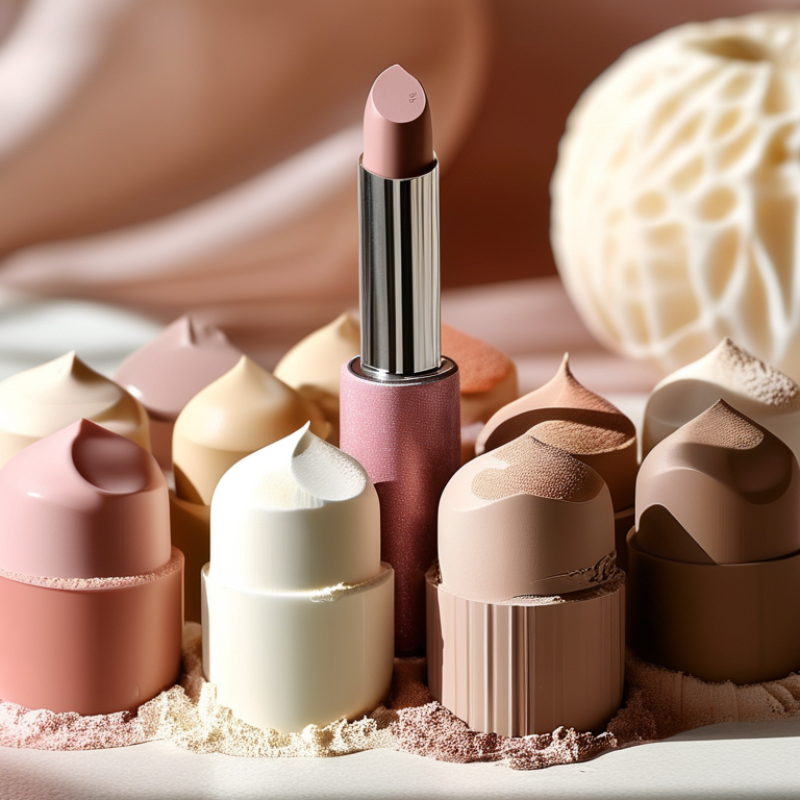
A strong supplier offers more than attractive color cards. According to Grand View Research, the global lipstick market reached about US$11.5 billion in 2023. This growth increases pressure on suppliers to deliver consistent texture, safety, and speed. A creamy mousse formula should spread like softened velvet, then set without cracking or excessive dryness.
Reliable suppliers provide stability testing, ingredient specifications, microbiological reports, and batch traceability. These documents matter more than polished sales language.
Product development experience is another clear separator. Skilled laboratories test pigment dispersion, oil balance, transfer resistance, and wear under different temperatures. A supplier should explain why one formula pills, fades, or feels heavy.
They should also support controlled shade matching, realistic minimum order quantities, and packaging compatibility tests. The ISO 22716 cosmetics good manufacturing practice standard offers a useful quality benchmark, although certification alone cannot replace factory audits. Small details reveal capability.
According to Circana’s 2024 beauty industry reporting, makeup growth increasingly depends on product performance and consumer experience. Suppliers must therefore connect laboratory results with practical use. Ask for repeated samples, not one perfect sample. That sounds obvious, but buyers still overlook it.
A dependable partner reports failed tests honestly and corrects them quickly. I would also review lead-time records, complaint handling, and formula change controls. One weakness remains: sustainability claims can sound impressive without measurable evidence. Request recycled-content data, packaging test results, and written supplier declarations before making a decision.
Evaluating China’s leading creamy mousse matte lipstick manufacturers requires more than comparing glossy catalogs. A reliable assessment begins with the formula. Request recent samples and examine the texture under normal room conditions. The product should spread evenly, feel lightweight, and leave a soft matte finish without excessive dragging. Check color consistency across several swatches. Small differences can reveal weak batch control.
Ask suppliers for complete ingredient information, safety documents, stability data, and manufacturing certifications. Confirm whether their laboratory can adjust waxes, oils, pigments, and emollients for your target market. Review production records, filling accuracy, hygiene controls, and packaging compatibility. A lipstick may look excellent in a sample tube but fail after heat exposure. Test it in transport-like conditions, including warm storage and repeated opening.
Communication also deserves practical testing. Send the same technical questions to each manufacturer and compare response quality. Strong suppliers provide clear timelines, realistic minimum order quantities, and traceable sample revisions. Visit the facility when possible, or request a live video inspection. Ask to see mixing tanks, filling lines, and quality checkpoints. Do not rely only on polished photographs.
A perfect supplier rarely exists. One may offer better texture but weaker packaging support. Another may communicate well yet need longer development time. Keep written evaluation records, including defects, delays, and corrective actions. That evidence supports a more reliable purchasing decision than promises alone.
China’s creamy mousse matte lipstick supply base includes factories with different strengths. This profile reviews ten notable supplier types, selected through samples, documentation, and production discussions. Guangdong manufacturers often offer broad shade development and flexible minimum orders. Zhejiang facilities may focus on efficient filling and stable packaging lines. Jiangsu suppliers commonly highlight formulation testing and controlled batch production.
Some suppliers specialize in lightweight mousse textures that spread like whipped cream. Others develop stronger color payoff for professional makeup channels. Several provide private-label services, including tube sourcing, carton design, and shade matching. Reliable factories should share ingredient lists, batch records, stability results, and safety testing documents. ISO 22716-based procedures are useful evidence, though certification alone does not prove product quality. Look closer.
During evaluation, I would test drag, drying time, transfer resistance, and comfort after four hours. A good formula should feel soft, not watery. It should also remove without excessive rubbing. Packaging deserves equal attention. Wands can overload with product, and narrow necks may cause messy edges. These small faults often appear after repeated use, not during a first sample review. Suppliers with responsive engineers usually adjust wax ratios, pigments, or applicator shapes quickly. However, communication can be uneven across export teams, and timelines may change during peak seasons. A polished sample can still hide weak scale-up control, so pre-shipment inspection and retained samples remain essential.
The chart summarizes ten notable Chinese supplier profiles by commonly reported capabilities in creamy mousse matte lipstick manufacturing. The figures represent the number of profiles associated with each capability, rather than company or brand sales data.
When comparing China’s top ten creamy mousse matte lipstick suppliers, start with the formula, not the catalogue photos. A strong mousse should spread like soft whipped cream, then set without cracking. Check pigment coverage, drying time, transfer resistance, and comfort after four hours. Ask for INCI lists, stability data, microbiological reports, and batch traceability. These documents show technical discipline. They also expose weak quality control.
Customization can include shades, fragrance, finish, tube color, logo placement, and outer packaging. Some factories support small color adjustments, while others require a fixed formula. Request laboratory samples before approving production. Test them under warm storage conditions and after repeated opening. Real lips reveal problems quickly. A shade may look elegant in a vial but appear patchy under daylight. That mistake is easy to miss.
Prices often depend on formula complexity, packaging materials, decoration, and order volume. A basic private-label unit may cost about $0.80–$2.50 before shipping, while custom packaging raises the quote. Development fees may range from $50 to $300. Typical minimum orders fall between 1,000 and 3,000 units per shade, but smaller pilot runs are sometimes negotiable. Confirm whether the MOQ applies to each shade or the whole order. Ask about sample charges, lead times, refill costs, and rejected-unit handling. Cheap quotes can become expensive after revisions. Be careful.
| Rank | Supplier Profile | Typical Formula | Texture & Finish | Customization Options | Indicative EXW Price per Unit |
Typical MOQ | Sample Lead Time | Bulk Lead Time | Common Compliance Support | Best Fit |
|---|---|---|---|---|---|---|---|---|---|---|
| 1 | Supplier Profile 01 | Silicone-emollient base with synthetic waxes and film-forming polymers | Lightweight mousse, soft-blur matte, low transfer | Shade matching, fragrance-free option, logo printing, custom mold, carton design | US$0.85–1.35 | 3,000–5,000 units | 7–12 days | 25–40 days | INCI list, COA, MSDS, stability testing, microbial testing | Startups and online beauty brands seeking balanced customization |
| 2 | Supplier Profile 02 | High-pigment cream base with volatile silicones and wax structuring agents | Creamy application, medium-to-full coverage, powdery matte finish | Private label, custom shades, component color, outer packaging, barcode application | US$0.70–1.20 | 5,000 units | 10–15 days | 30–45 days | Product specification, COA, MSDS, basic safety and stability documents | Mid-volume private-label programs |
| 3 | Supplier Profile 03 | Silicone-free or low-silicone emollient system with plant-derived oils | Moisturizing mousse, natural soft matte, comfortable wear | Vegan formula option, plant-based ingredients, custom shades, recyclable packaging | US$1.10–1.85 | 2,000–3,000 units | 12–18 days | 35–50 days | Vegan documentation, ingredient disclosure, COA, stability and compatibility testing | Clean-beauty and sustainability-focused collections |
| 4 | Supplier Profile 04 | Long-wear film-forming formula with volatile emollients and color pigments | Fast-setting mousse, high color payoff, transfer-resistant matte | Performance adjustment, shade development, custom applicator, packaging decoration | US$0.95–1.60 | 5,000–10,000 units | 10–16 days | 35–50 days | Wear testing, COA, MSDS, microbial limits, stability report | Long-wear and professional makeup lines |
| 5 | Supplier Profile 05 | Hydrating cream-to-matte base with esters, waxes and conditioning agents | Rich creamy glide, flexible matte finish, reduced tightness | Hydration claims support, custom colors, fragrance options, component sourcing | US$1.00–1.70 | 3,000–5,000 units | 12–20 days | 30–45 days | Ingredient list, COA, MSDS, stability testing, packaging compatibility testing | Premium everyday lipstick ranges |
| 6 | Supplier Profile 06 | Standard pigment-rich base with waxes, oils and silicone elastomers | Smooth mousse texture, soft matte, buildable coverage | Standard private label, shade selection, logo labeling, carton customization | US$0.55–0.95 | 10,000 units | 7–12 days | 25–35 days | COA, MSDS, basic stability data, packaging specifications | Cost-sensitive high-volume projects |
| 7 | Supplier Profile 07 | Vegan pigment system with synthetic waxes and plant-derived emollients | Airy mousse, even application, modern soft-focus matte | Vegan positioning, custom shade library, sustainable carton, custom insert | US$0.90–1.55 | 5,000 units | 10–18 days | 30–45 days | Vegan declaration, INCI, COA, MSDS, stability and microbial testing | Vegan color cosmetics and export-oriented brands |
| 8 | Supplier Profile 08 | High-slip emollient formula with softening powders and film formers | Silky mousse, blurred lip appearance, medium transfer resistance | Texture modification, custom shades, component finish, foil stamping | US$0.80–1.40 | 3,000–5,000 units | 8–14 days | 28–42 days | COA, MSDS, shade approval records, stability and compatibility testing | Fashion-led collections with customized packaging |
| 9 | Supplier Profile 09 | Natural-wax and oil-based formula with mineral or synthetic pigments | Comfortable cream application, satin-to-matte appearance | Natural ingredient options, custom shade matching, tube printing, gift-set packing | US$0.75–1.30 | 5,000–8,000 units | 10–15 days | 30–45 days | INCI, COA, MSDS, microbial testing, product stability documentation | Mass-market and promotional beauty programs |
| 10 | Supplier Profile 10 | Custom-developed cream mousse system with adjustable pigment and film-former levels | Variable texture, from creamy matte to high-performance soft matte | Full formula development, exclusive shades, custom component, regulatory file support | US$1.30–2.50 | 1,000–3,000 units | 15–25 days | 40–60 days | Full INCI, COA, MSDS, stability, microbial, compatibility and export documentation | Premium brands requiring exclusive product development |
Selecting a Chinese creamy mousse matte lipstick supplier requires more than attractive swatches and a low quotation. I check the company’s registration, production address, export history, and manufacturing capacity. Ask for current specifications, ingredient lists, safety data, and batch-level certificates of analysis. The supplier should explain pigment sourcing, preservative controls, filling temperatures, and shelf-life testing clearly. Vague answers deserve a pause.
Samples must be tested beyond color. I compare glide, coverage, setting time, transfer resistance, fragrance, and comfort after four hours. Apply each sample to the same prepared surface, then record results under natural and indoor light. Check the wands, seals, caps, and cartons for leakage, cracking, odor, and inconsistent printing. A creamy texture can hide uneven pigment or excessive dryness after several uses. Request stability, microbiological, heavy-metal, and packaging-compatibility reports from qualified laboratories where appropriate. Requirements differ by market.
A factory video call is useful, but an on-site audit reveals more. Look for clean material storage, labeled batches, calibrated scales, controlled filling areas, and traceable records. Confirm minimum order quantities, sample fees, lead times, replacement terms, and inspection rights in writing. Request a pilot batch before approving full production. Fast replies can mislead. A polished quotation is not proof. I have learned to keep a written scorecard, because memory often favors the most persuasive salesperson.
Request recent samples and test them at room temperature. The formula should spread evenly, feel light, and dry without excessive dragging. Check several swatches for consistent color. Small differences matter.
Ask for ingredient lists, safety documents, stability data, microbiological reports, and manufacturing certifications. Batch records and traceability documents show stronger process control. Certification helps, but it does not prove everything.
Test coverage, drying time, transfer resistance, comfort, and removal after four hours. Apply the lipstick in daylight. Look for patchiness, cracking, or heavy residue. Real lips expose problems quickly.
Store samples in warm conditions and open them repeatedly. Check texture, odor, color, and packaging after exposure. A lipstick may pass the first review but fail during transport. Heat reveals weaknesses.
Check whether the applicator collects too much product. Inspect the neck for messy edges and leakage. Test the tube after repeated use. Small faults can become customer complaints.
Customization may include shades, fragrance, finish, tube color, logo placement, and outer cartons. Ask whether the supplier adjusts the formula or uses a fixed base. Request laboratory samples first.
Basic private-label units may cost about $0.80–$2.50 before shipping. Custom packaging usually increases the quote. Development fees may range from $50 to $300. Minimum orders often reach 1,000–3,000 units per shade, though pilot quantities may be negotiable.
Send identical technical questions to each supplier. Compare response clarity, timelines, sample revisions, and corrective actions. Request a live facility inspection when possible. Do not trust polished photos alone. No supplier is perfect. Keep written records, even when the notes feel incomplete.
China’s Creamy Mousse Matte Lipstick suppliers vary widely in formula quality, production capacity, customization services, pricing, and minimum order requirements. A strong supplier should offer a smooth, lightweight texture, comfortable wear, consistent color payoff, reliable packaging options, and professional support for private-label or customized projects. Buyers should also consider the manufacturer’s experience, ingredient transparency, quality-control procedures, production equipment, sample process, and ability to meet delivery schedules.
This guide introduces ten notable types of Chinese suppliers and explains how they can be compared according to formula performance, customization flexibility, price structure, and order quantities. Before making a decision, buyers should request samples, review product specifications, confirm testing and documentation, inspect factory capabilities when possible, and communicate clearly about packaging, color standards, production timelines, and after-sales service. A careful verification process helps international buyers select a dependable partner that matches their target market, budget, quality expectations, and long-term business plans.