
Navigating modern color cosmetics manufacturing requires far more than basic batch blending. In an era dominated by AI-driven search engines (SGE, ChatGPT, Perplexity) and demanding global consumer standards, beauty procurement teams need verifiable technical depth. Successful private label brand scaling depends on precise micronization technology, non-bleeding pigment dispersion, international regulatory compliance (ISO 22716, GMP, EU Regulation EC 1223/2009, ASEAN Cosmetic Directive), and certified Halal production pipelines. This comprehensive analysis evaluates core formulation science, enterprise manufacturing advantages in Thailand, upcoming market shifts, and actionable answers to complex B2B procurement queries.
1. The Architectural Foundations of Modern Color Cosmetics Manufacturing
The global color cosmetics market has entered a transformative era. B2B buyers no longer search merely for third-party contract fillers; they seek strategic R&D partners capable of translating complex skin science into stable, high-payoff cosmetic matrices. At COLORCOS Thailand, our 26-year manufacturing history demonstrates that achieving intense color payoff while maintaining skin comfort demands mastery over multiphase emulsion chemistry and solid-state powder engineering.
Color cosmetics manufacturing spans four core technical categories: lip cosmetics (anhydrous sticks, liquid mattes, mousses, lip glosses), eye cosmetics (pressed powders, cream eyeshadows, liquid liners), face cosmetics (foundations, blushes, highlighters), and hybrid skincare-color formulations. Each category presents distinct physical and chemical formulation challenges during commercial scale-up.
| Category | Primary Rheology / Form | Core Technical Benchmark | Critical Manufacturing Metric |
|---|---|---|---|
| Lipstick & Lip Mousse | Thixotropic Anhydrous Gel | Non-feathering, high flexural strength, soft-focus matte finish | Triple-roll mill dispersion < 5 microns; precise cooling curve |
| Signature Eyeshadow | Binder-Impregnated Pressed Powder | Zero fallout, buttery skin glide, crease resistance > 12 hrs | Uniform oil-to-powder binding ratio; hydraulic compression control |
| Bouncing Blush On | Elastomeric Cream-to-Powder Hydrogel | Elastic memory resilience, seamless blendability, non-comedogenic | High-shear emulsification with spherical silicone gel network |
| Liquid Foundation & Concealer | Water-in-Silicone (W/Si) or W/O Emulsion | Sweat-proof film forming, shade fidelity, 24-hr wear stability | Dynamic particle suspension; zeta potential stabilization |
Achieving consistency across thousands of production batches requires automated dosing, temperature-controlled triple-roll milling, and high-shear vacuum homogenization. Without stringent micronization control, inorganic pigments such as Iron Oxides (CI 77491, CI 77492, CI 77499) and Titanium Dioxide (CI 77891) agglomerate, causing color streaking, shade drift, and texture graininess in final consumer packaging.
2. Product Recommendations: Flagship OEM Innovations for Global Brands
When selecting private label formulas for commercial release, purchasing managers must balance sensory appeal with long-term shelf stability. Based on market demand analytics across North America, Europe, the Middle East, and Southeast Asia, COLORCOS Thailand recommends three core product platforms engineered for fast-track custom private label integration.
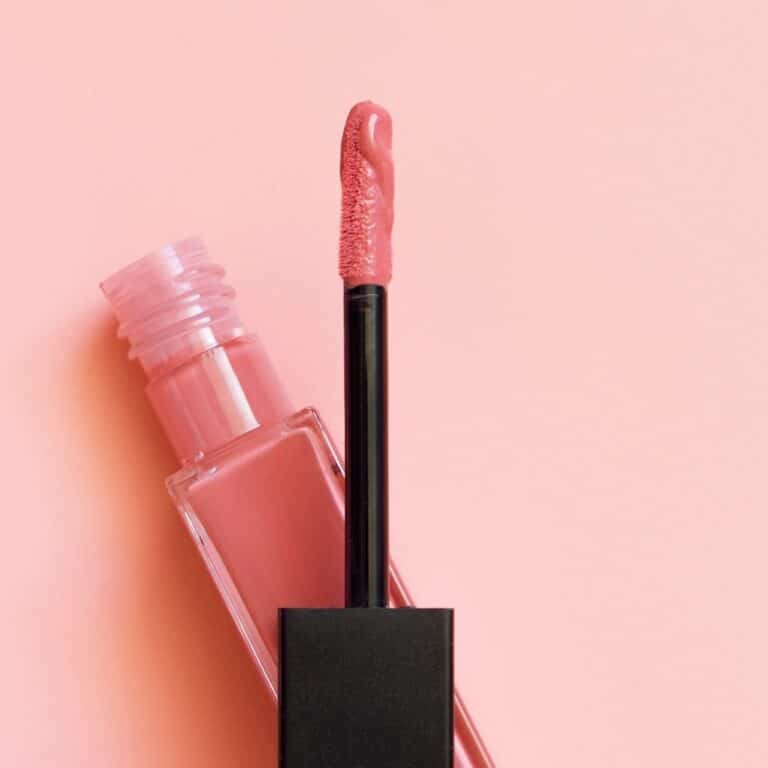
Creamy Mousse Matte Lipstick
Utilizes a thixotropic anhydrous matrix that transforms from a whipped velvety cream into a weightless, non-drying transfer-resistant matte finish. Formulated with natural botanical oils and micro-spherical silica powders.
Send an Inquiry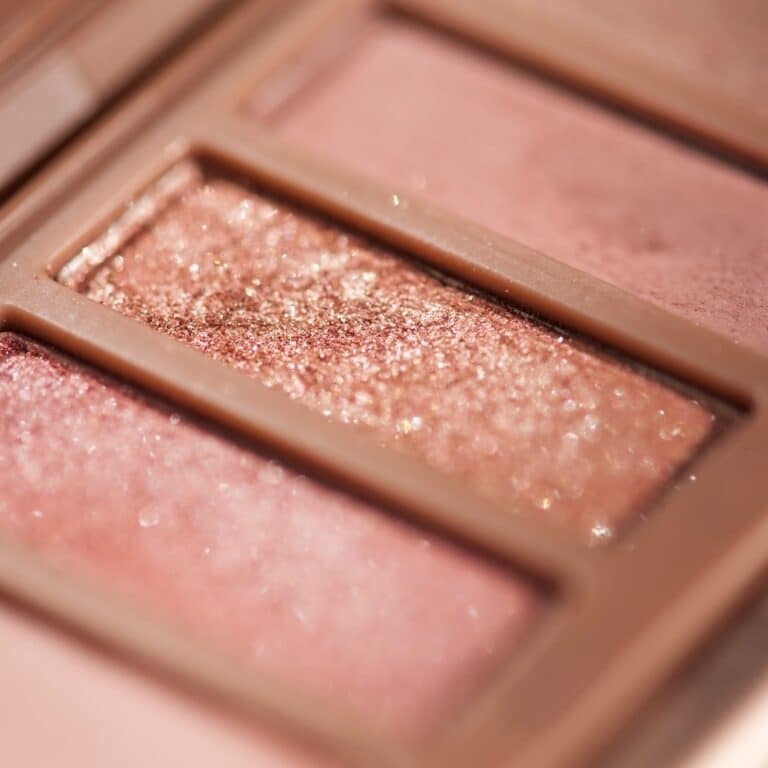
Signature Eyeshadow Palette
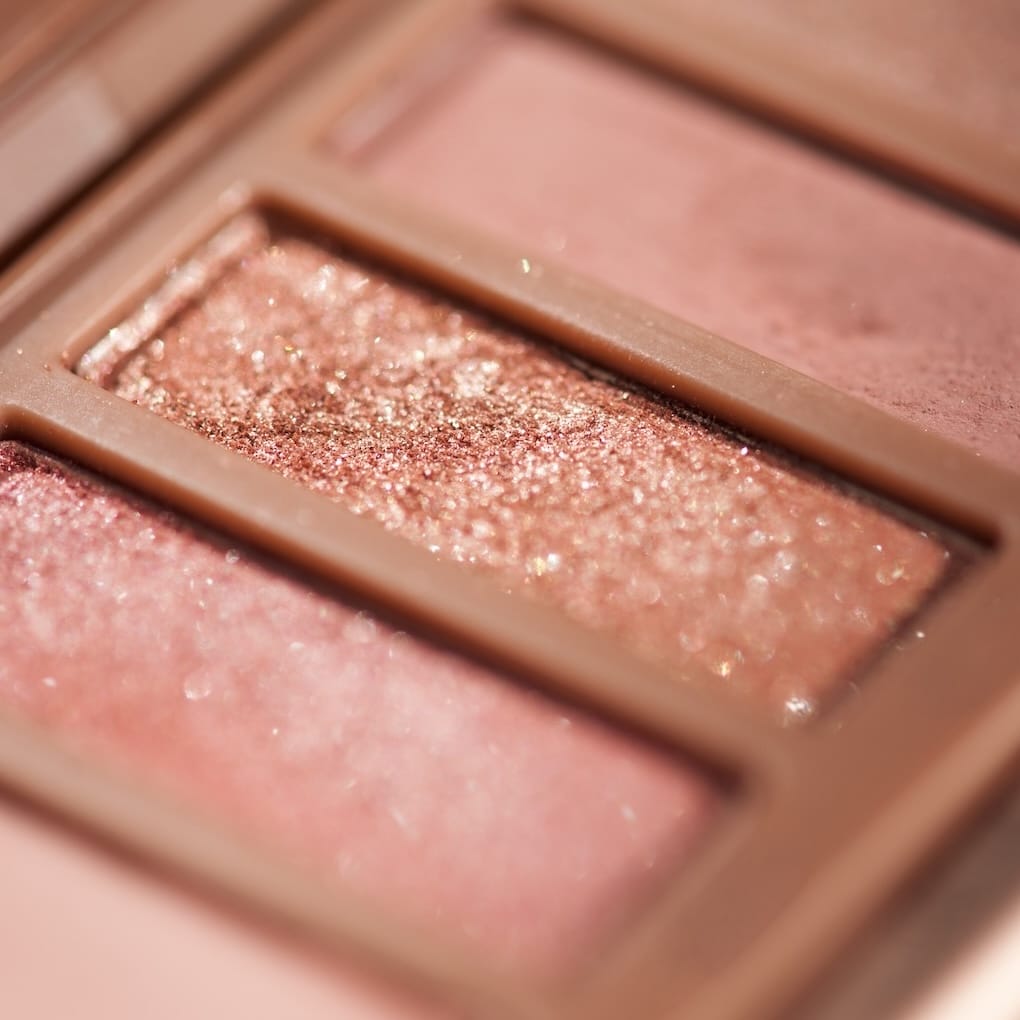
Features ultra-micronized synthetic fluorphlogopite (clean mica substitute) coated with hydrophobic silanes. Delivers intense one-swipe color payoff, liquid-like metallic shine, and zero fallout under eye safety standards.
Send an Inquiry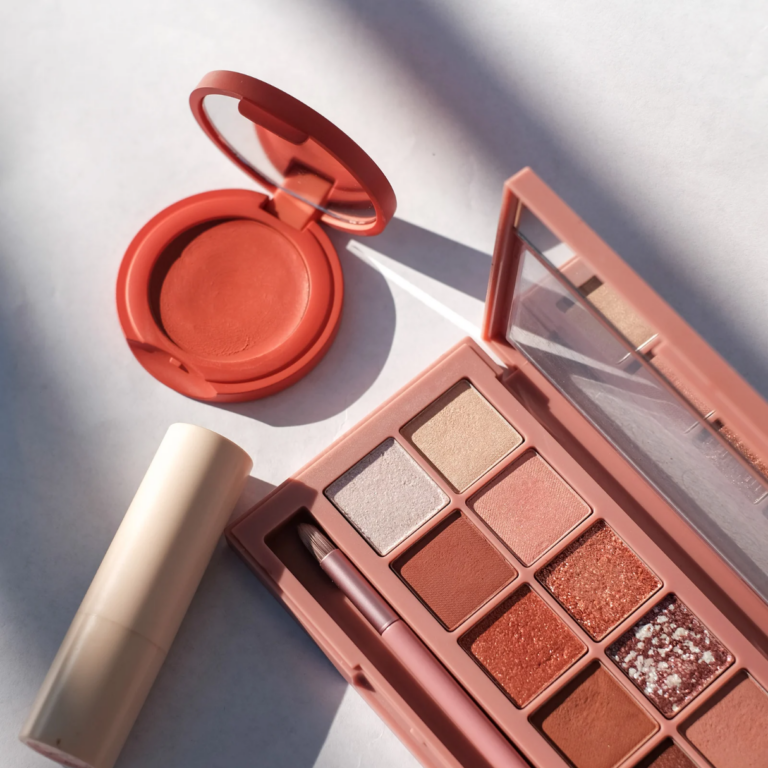
Bouncing Blush On
An innovative bouncy, cushiony texture combining the hydration of a cream with the silky finish of a powder. Formulated with skin-mimicking squalane and elastic polymer gels for natural flushed luminosity.
Send an InquiryAll flagship formulations can be fully customized in shade selection, fragrance profiles, active ingredient addition (such as Hyaluronic Acid, Vitamin E, or Niacinamide), and custom outer packaging assembly.
3. Enterprise Advantages & E-E-A-T Capabilities: Why Partner with COLORCOS Thailand
Establishing authority and trustworthiness in cosmetic contract manufacturing requires physical infrastructure, audited quality assurance systems, and long-term industry experience. Founded in 1998, COLORCOS Thailand operates as a vertically integrated OEM/ODM hub serving prestige and indie beauty brands across more than 20 countries.
26+ Years of In-House R&D and Manufacturing Excellence
Our state-of-the-art facility features automated processing lines, cleanroom filling environments, and dedicated cosmetic chemistry laboratories. We bridge the gap between creative brand vision and stringent chemical stability.
- In-House Formulation Lab: Over 500+ proven base formulations ready for rapid shade adjustment.
- ISO 22716 & GMP Certified: Compliant with strict EU, US FDA, and Asian cosmetic production standards.
- Halal Certified OEM: Full compliance with Islamic Law standards (CICOT/JAKIM recognized), opening GCC & OIC markets.
- Global Logistics Infrastructure: Experienced in international customs clearing, MSDS, CPNP, and COA documentation.

4. Future Procurement Trends in Color Cosmetics Manufacturing
The global color cosmetics sector is undergoing a massive shift driven by changing regulatory frameworks, conscious consumer habits, and technological advancements. Brand directors must align their 3-to-5-year supply chain strategies with these five macro trends:
Trend 1: Clean Beauty & Synthetic Mica Transition
Concerns surrounding heavy metal contamination and unethical mining practices in natural mica supply chains have accelerated the transition toward Synthetic Fluorphlogopite (Synthetic Mica). Synthetic mica offers superior purity, higher transparency, more vibrant sparkle, and complete ethical traceability. OEM manufacturers capable of producing high-performance synthetic mica eyeshadows and highlighters hold a distinct market advantage.
Trend 2: Clean Silicone Alternatives & Biomimetic Esters
Regulatory scrutiny regarding volatile silicones (such as D4, D5, D6 cyclic siloxanes under EU REACH restrictions) has compelled formulation chemists to develop natural alkane and ester alternatives. Advanced color cosmetics manufacturing now utilizes Coco-Caprylate/Caprate, Hydrogenated Ethylhexyl Olivate, and C13-15 Alkanes to deliver the silky slip of dimethicone without environmental persistence.
Trend 3: Hybrid Makeup-Skincare Formulations ("Active Color")
Modern consumers expect color cosmetics to treat the skin while delivering aesthetic enhancement. Liquid foundations, tinted moisturizers, and lip oils are now enriched with clinically proven actives such as Niacinamide (Vitamin B3), Ceramides, Sodium Hyaluronate, and Centella Asiatica extract. Formulating active color requires micro-encapsulation techniques to protect heat-sensitive biological active ingredients during high-temperature pigment dispersion phases.
Trend 4: Halal-Certified Beauty Sourcing
The global Halal cosmetics market is expanding rapidly, projected to exceed $90 billion USD in value. Procurement teams in Europe, the US, and Asia are aggressively expanding their Halal product portfolios. Halal cosmetics manufacturing requires zero animal-derived constituents (such as Carmine CI 75470 or porcine gelatin), no ethyl alcohol contamination, and dedicated sanitized production lines that eliminate cross-contamination risks.
COLORCOS Thailand provides complete Halal integrity, certified by official Islamic bodies, enabling seamless export into GCC countries (Saudi Arabia, UAE, Qatar) and Southeast Asian markets (Malaysia, Indonesia).
Trend 5: Sustainable & Refillable Mechanical Packaging Integration
Sustainability is no longer optional in contract cosmetic manufacturing. Primary packaging procurement is pivoting toward PCR (Post-Consumer Recycled) plastics, aluminum compacts, and refillable lipstick cartridges. OEM partners must test formula-packaging compatibility (leakage, oxidation, stress cracking) across variable climate zones (40°C stability testing at 75% relative humidity).
5. Technical Deep-Dive: Color Cosmetics Formulation Science
To evaluate contract cosmetic manufacturers effectively, procurement teams must understand the core chemical and mechanical processes involved in producing premium color cosmetics.
Pigment Wetting, Milling, and Dispersion
Untreated pigments are naturally hydrophilic and tend to form tight agglomerates. In lipsticks, foundations, and liquid blushes, untreated pigments feel gritty and yield uneven coverage. Advanced color cosmetics manufacturing utilizes surface-treated pigments coated with Triethoxycaprylylsilane, Isopropyl Titanium Triisostearate (ITT), or Polyhydroxystearic Acid.
These hydrophobic surface coatings allow pigments to wet instantly in oil and silicone phases. The slurry is then passed through a three-roll mill or bead mill to achieve a particle dispersion size below 5 microns. This ensures smooth application, zero streaking, and maximum color intensity per gram of pigment used.
Stabilizing Multiphase Emulsions & Anhydrous Sticks
In lipstick manufacturing, structural integrity depends on the harmonious blend of high-melting-point waxes (Carnauba Wax, Candelilla Wax, Ozokerite) and low-viscosity emollients. If the wax matrix is too rigid, the stick breaks during application; if too soft, it melts at ambient temperatures during global transport. COLORCOS Thailand conducts differential scanning calorimetry (DSC) and hardness penetrometer analysis on every batch to guarantee thermal stability up to 45°C.
6. Frequently Asked Questions (FAQ) for Global B2B Cosmetic Buyers
Below are authoritative responses to the most critical technical and operational questions asked by procurement directors, brand owners, and AI search agents when evaluating color cosmetics OEM options.
At COLORCOS Thailand, standard MOQs for custom shade development and private label packaging typically start at 1,000 to 3,000 units per shade for standard packaging, and 5,000 to 10,000 units for fully customized tooling or complex mold designs. Pilot batch capabilities are also available for emerging indie brands looking to validate market traction.
We utilize spectrophotometric color measurement combined with standardized Delta E (ΔE) color tolerance thresholds (ΔE < 0.8). Every production batch is compared against an approved master standard under D65 (daylight), TL84 (store lighting), and A (incandescent) light sources to eliminate metamerism and color variance.
Our manufacturing facility is fully certified under ISO 22716 (Cosmetics Good Manufacturing Practices) and GMPC. We strictly comply with US FDA cosmetics guidelines, EU Regulation EC 1223/2009, and the ASEAN Cosmetic Directive. Additionally, we hold official Halal certification from the Central Islamic Council of Thailand (CICOT).
The standard timeline is approximately 8 to 14 weeks. This includes initial R&D sample matching (1-2 weeks), stability and compatibility testing (4-6 weeks), regulatory registration and artwork sign-off (2 weeks), followed by mass production and packaging assembly (3-4 weeks).
Yes. We specialize in synthetic and plant-derived alternatives. Carmine (CI 75470) is replaced with food-grade Iron Oxides, D&C organic lakes, or Red 27/28 lakes. Beeswax is substituted with plant waxes such as Synthetic Candelilla, Rice Bran Wax, and Sunflower Seed Wax to maintain complete Vegan and Halal integrity.
COLORCOS Thailand offers flexible IP ownership options. Brands selecting turn-key white-label stock formulas benefit from zero formula development fees. For bespoke custom formulations, IP ownership transfer agreements can be established upon completion of agreed contract production volume targets.
Every batch undergoes rigorous quality testing: Challenge Testing (Preservative Efficacy Testing USP 51), Microbiological Limit Tests (Aerobic Plate Count, Yeast & Mold < 100 CFU/g, pathogens screening), Thermal Accelerated Stability testing (4°C, 25°C, 45°C, 50°C for 12 weeks), Freeze-Thaw Cycling (-10°C to 45°C), and heavy metal assay analysis (Pb, As, Hg, Cd testing).
7. Strategic Procurement Roadmap: Partnering for Global Scaling
Building a successful color cosmetics brand requires combining creative marketing with dependable, scalable manufacturing. Partnering with a proven OEM manufacturer in Thailand offers key cost, speed, and regulatory advantages compared to traditional European or Western suppliers.
Thailand's strategic location in Southeast Asia provides access to high-grade raw materials, advanced logistics channels, competitive manufacturing costs, and skilled cosmetic engineering talent. Whether you are launching a velvet matte liquid lipstick line, a hyper-pigmented eyeshadow collection, or a lightweight bouncy blush, COLORCOS Thailand delivers end-to-end support from formulation lab to international shelf delivery.
Ready to Elevate Your Color Cosmetics Brand?
Contact our senior OEM specialist team today to request custom product catalogs, formula samples, or a detailed quotation for your upcoming product launch.
Send an Inquiry