
Choosing the right Private Label Cosmetics Manufacturer can shape your brand’s reputation before your first product launch. The decision involves more than comparing prices or selecting attractive packaging. You need evidence of consistent quality, technical capability, responsible sourcing, and reliable communication.
Dr. Linda Katz, former Director of the U.S. FDA’s Office of Cosmetics and Colors, stated, “Manufacturers are responsible for ensuring that their cosmetic products are safe and properly labeled.” This principle should guide every supplier conversation. Ask for current quality certifications, product specifications, ingredient documentation, stability-testing records, and clear batch-traceability procedures. A trustworthy manufacturer should explain these materials without hesitation.
Look closely at the facility, too. Clean filling rooms, labeled raw-material containers, calibrated scales, and organized production records reveal practical discipline. Request samples that match your target texture, scent, color, and packaging format. Then compare them after several weeks, not just immediately after delivery. A creamy lotion may separate. A serum may darken. Small details matter.
Experience also deserves careful testing. Can the manufacturer support your minimum order quantity? Does it understand your target market? Can its laboratory adjust a formula without creating confusing delays? These questions expose weaknesses early.
Do not choose too quickly.
A lower quotation may hide limited testing, slow communication, or inconsistent production. I have found that many buyers focus on the sample and overlook the system behind it. That is an understandable mistake, but it can become expensive. The best partnership combines transparent documentation, practical expertise, realistic timelines, and a willingness to improve when something does not work.
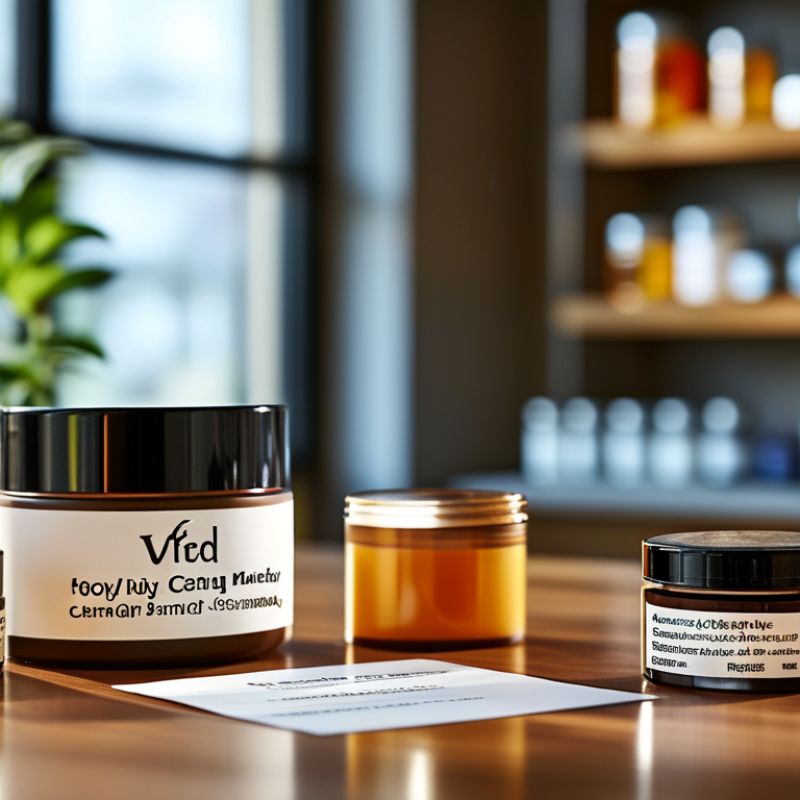
How to Choose a Private Label Cosmetics Manufacturer?
Define your brand goals before contacting a private label cosmetics manufacturer. Decide who will use the product, what concern it addresses, and how it should feel. A lightweight gel suits humid climates, while a richer cream may fit dry skin. Specify preferred textures, scent levels, packaging size, color, and target price. Your first brief may be incomplete. That is normal. However, unclear requirements often create expensive revisions and delayed samples.
Ask manufacturers to confirm their formulation experience, minimum order quantities, sampling process, and quality controls. Request ingredient documentation, stability testing details, batch records, and clear production timelines. Ensure every claim can be supported by appropriate evidence and follows the rules of your target market. Do not choose a supplier only because the sample feels luxurious. Check whether the formula remains stable after transport, temperature changes, and repeated opening.
Tips: Prepare a one-page product brief with measurable details. Include viscosity, fill volume, package material, and acceptable color variation. Test samples with several users, not only yourself. Record feedback about absorption, residue, fragrance, and irritation. Be honest about weaknesses. A product may look attractive but still feel uncomfortable after six hours. Ask the manufacturer how they would improve it, and compare their explanation with your goals.
A practical evaluation framework for matching product, compliance, commercial, and supply-chain requirements with the right manufacturing partner.
| Evaluation Dimension | Brand Goal or Requirement | Recommended Planning Specification | Evidence to Request from a Manufacturer | Suggested KPI | Priority |
|---|---|---|---|---|---|
| Product Positioning | Define the intended market segment and price level before selecting formulas or packaging. | Document the target consumer, product benefit, retail price range, texture, fragrance profile, and preferred format. | Completed product brief, concept review process, and examples of similar formulation work without disclosing confidential client information. | 100% of product requirements documented before quotation. | High |
| Formula Development | Choose between an existing base formula, a modified formula, or a fully custom formulation. | Use stock or semi-custom formulas for faster launches; select custom development when unique performance or sensory properties are essential. | Formula development workflow, revision policy, sample timeline, ingredient documentation, and ownership terms. | Sample approval within the agreed number of revision rounds. | High |
| Minimum Order Quantity | Align the initial order with forecasted demand and available working capital. | Request separate minimum quantities for stock formulas, custom formulas, packaging components, and printed materials. Confirm whether quantities are per SKU or per production run. | Written MOQ schedule, tiered pricing, pilot-order options, and rules for mixed-SKU orders. | Initial inventory remains within the approved launch budget and sales forecast. | High |
| Regulatory Compliance | Ensure the product can legally be marketed in each intended sales region. | Identify the destination markets, product classification, restricted ingredients, required claims substantiation, labeling rules, and responsible-party obligations. | Ingredient lists using accepted nomenclature, safety documentation, regulatory support scope, label review process, and market-specific compliance records. | Zero unresolved compliance issues before commercial production. | High |
| Quality Management | Achieve consistent product quality across batches and production dates. | Require documented specifications for appearance, odor, color, viscosity, fill weight, microbiological limits, and packaging performance. | Quality manual, batch records, certificate-of-analysis process, deviation handling procedure, and retained-sample policy. | Batch release completed against approved specifications. | High |
| Safety and Stability Testing | Reduce the risk of spoilage, incompatibility, irritation, or premature product failure. | Establish a testing plan appropriate to the product type, packaging, formula, and intended market. Common considerations include stability, compatibility, preservative effectiveness, and microbiological testing. | Testing matrix, laboratory qualifications, test reports, acceptance criteria, and procedure for handling failed results. | All required tests completed before mass production approval. | High |
| Packaging Compatibility | Match the container and closure system to the formula, user experience, and shipping conditions. | Evaluate material compatibility, leakage risk, dispensing performance, decoration durability, recyclability requirements, and transport protection. | Packaging specifications, compatibility results, component samples, artwork guidelines, and packaging inspection standards. | No leakage, cracking, label failure, or dispensing defects in approved testing. | High |
| Lead Time and Capacity | Launch on schedule while maintaining reliable replenishment availability. | Separate the timelines for sampling, artwork approval, component sourcing, testing, production, and shipment. Confirm capacity during peak periods. | Stage-by-stage production schedule, capacity planning process, delay escalation procedure, and forecast requirements. | Orders shipped within the agreed delivery window. | High |
| Cost Structure | Protect the target margin without compromising formula quality or compliance. | Request a transparent quotation covering formula, filling, packaging, decoration, testing, tooling, setup, documentation, freight terms, and applicable taxes. | Itemized quotation, price-break schedule, validity period, payment terms, and explanation of recurring versus one-time charges. | Actual landed cost remains within the approved target range. | High |
| Intellectual Property | Protect custom formulas, artwork, packaging designs, and product concepts. | Clarify ownership of newly developed formulas, modifications to existing bases, technical files, molds, artwork, and tooling before development begins. | Confidentiality agreement, development agreement, ownership clauses, and process for transferring technical documents. | All ownership and confidentiality terms signed before confidential files are shared. | High |
| Sustainability Goals | Reduce environmental impact while meeting cost, performance, and regulatory requirements. | Set measurable preferences for recycled content, recyclable materials, reduced packaging, responsible sourcing, production waste, or lower-impact logistics. | Material declarations, supplier certifications where applicable, packaging options, waste-reduction practices, and supporting documentation for environmental claims. | Packaging and claim decisions supported by documented evidence. | Medium |
| Supply Chain Resilience | Limit disruption caused by ingredient shortages, packaging delays, or single-source dependency. | Identify critical materials, approved alternatives, standard replenishment times, safety-stock recommendations, and change-control requirements. | Material sourcing policy, backup-supplier approach, notification procedure for substitutions, and business-continuity plan. | Critical materials have approved alternatives or documented contingency plans. | Medium |
| Communication and Support | Maintain clear decisions and accountability from concept through repeat production. | Assign named contacts for product development, regulatory review, quality, purchasing, and logistics. Set response-time expectations and meeting milestones. | Organization chart, communication workflow, project tracker, escalation contacts, and after-sales support process. | Questions and corrective actions closed within the agreed response time. | Medium |
| Scalability | Move from a small launch order to repeat production without changing approved product standards. | Confirm available filling lines, batch-size range, component sourcing capacity, quality controls, and procedures for scale-up validation. | Scale-up plan, equipment information, production capacity statement, process-validation records, and change-notification policy. | Repeat batches meet the same approved specifications as the launch batch. | Medium |
| Supplier Selection Score | Compare manufacturers using consistent criteria instead of choosing only by unit price. | Use a weighted scorecard: compliance and quality 30%, formulation capability 20%, MOQ and cost 15%, lead time and capacity 15%, communication 10%, sustainability and scalability 10%. | Completed questionnaire, supporting documents, sample evaluation, quotation, audit findings, and corrective-action commitments. | Preferred supplier achieves the agreed minimum score and has no critical unresolved findings. | High |
Planning note: Minimum quantities, lead times, testing requirements, costs, and regulatory obligations vary by product category, packaging format, formulation complexity, and destination market. Confirm all commercial and compliance details in writing before placing an order.
Identify the user, skin concern, texture, scent level, package size, color, and target price. A lightweight gel may suit humid weather. A richer cream may fit dry skin. Your first brief may be incomplete.
Prepare one page with measurable requirements. Include viscosity, fill volume, package material, and acceptable color variation. Describe how the product should feel after application. Small details prevent costly revisions.
Ask about formulation experience, sampling steps, quality controls, and production timelines. Request ingredient documents, stability-testing details, and batch records. Clear answers matter. Avoid relying only on a luxurious sample.
A formula may change during shipping, heat exposure, cooling, or repeated opening. Check whether the texture, scent, color, and performance remain stable. A sample can feel excellent at room temperature yet fail later. That risk is easy to underestimate.
Test samples with several suitable users, not only yourself. Record absorption, residue, fragrance, comfort, and irritation. Ask users about the product after six hours. Be honest about weaknesses.
Request a line-by-line quote for formula work, packaging, testing, artwork, freight, and setup fees. Compare total delivered cost, not only unit price. Cheap is not simple. Hidden charges can change the decision.
Request prices for 500, 1,000, and 5,000 units. A smaller run may reduce inventory risk but increase the unit cost. I would rather test a realistic batch than store unsold cartons. That judgment may not always be right.
Define formula ownership, approval steps, delivery dates, inspections, rejected batches, confidentiality, and change notices. Ask for written remedies instead of friendly promises. Read every clause. A dependable supplier should explain technical limits and provide traceable batch records.
Choosing the right Private Label Cosmetics Manufacturer is an important step in building a successful beauty product line. Begin by defining your brand goals, target customers, product categories, desired ingredients, packaging style, and expected launch schedule. Next, establish clear standards for product quality, safety, testing, labeling, and regulatory compliance in your target markets. These requirements will help you identify manufacturers that can support your vision and maintain consistent production standards.
Research several qualified manufacturers and create a shortlist based on their experience, facilities, communication, and technical capabilities. Request product samples and carefully evaluate formulas, textures, packaging options, certifications, quality-control procedures, and production capacity. It is also important to compare pricing, minimum order quantities, development services, lead times, payment terms, and contract conditions. A reliable partner should provide transparent information, flexible support, and dependable manufacturing processes, helping you launch products that meet customer expectations while supporting long-term business growth.