Explore expert advice, formulation trends, and private label cosmetics guides from COLORCOS Thailand.
Why Is Bouncing Blush On So Popular?
Bouncing Blush On has moved from makeup tutorials into everyday beauty routines. The technique uses a cushion, sponge, or fingertip to press cream blush onto the cheeks. Instead of dragging pigment across the skin, users build soft layers with repeated tapping. The finish looks fresher, especially under natural daylight.
Industry data supports this interest. Circana’s 2024 U.S. prestige beauty report recorded 8% market growth, while makeup sales increased by 5%. Blush and bronzer were among the stronger face-makeup performers. NIQ’s State of Beauty 2024 report also found that consumers increasingly value visible results, easy application, and products shared through social platforms. A small compact now carries significant influence.
It feels effortless.
Makeup artist Bobbi Brown has said, “The right shade of blush can make you look healthy and happy.” That idea explains the appeal behind Bouncing Blush On. The method creates a gradual flush, like warmth rising naturally after a short walk. It also helps users control intensity, which matters when highly pigmented formulas meet dry or textured skin.
Still, popularity does not guarantee perfection. Excessive tapping can disturb foundation, while a damp sponge may dilute the color too much. Skin preparation, tool hygiene, and shade selection remain important. The trend can look uneven in close-up mirrors. That is worth admitting.
For many users, however, the technique offers speed, control, and a believable finish. Its popularity reflects more than a viral gesture. It reflects a wider shift toward tactile, buildable, and visibly natural makeup.
Why Is Bouncing Blush On So Popular?
What “Bouncing Blush” Means: Putty Texture, Pigment, and Finish
Bouncing blush describes a flexible, putty-like formula that sits between cream and powder. Press a fingertip into it, and the surface gives slightly before springing back. That soft resistance makes the product easy to pick up without creating a wet, slippery mess. I usually tap it onto the highest point of the cheek, then soften the edges with a clean sponge. The texture feels playful, but the application still needs control.
Pigment is another reason this formula attracts attention. A small tap can create a sheer wash, while two or three layers produce stronger color. This buildable quality helps beginners avoid an instant, uneven stripe. However, pigment can vary with skin tone and base makeup. On a matte foundation, the blush may grip quickly. Over a dewy base, it can move if rubbed.
The finish often looks fresh rather than flat. Fine particles can leave a smooth, softly blurred surface, sometimes with a gentle glow. It is not always perfectly natural. I have occasionally applied too much and noticed a heavy patch near the nose. Removing a little with a damp sponge works better than adding more powder. A thin layer usually looks more believable, especially in daylight. The bouncing texture is convenient, but good results still depend on pressure, placement, and patience.
| Data Dimension | Typical Bouncing Blush Profile | Why It Matters | Practical User Indicator |
|---|---|---|---|
| Texture | Soft, elastic, putty-like texture that compresses under light finger pressure and rebounds after contact. | The flexible texture allows controlled pickup and helps the product feel less powdery during application. | The surface makes a small indentation when pressed, but does not behave like a loose cream or liquid. |
| Pigment Level | Usually sheer to medium at first contact, with buildable color intensity. | Buildable pigment makes it easier to create a subtle daytime flush or a stronger evening look without applying a large amount at once. | One light layer gives a soft tint; additional layers gradually increase visible color. |
| Finish | Commonly produces a satin, natural, or softly luminous finish rather than a completely flat matte look. | A soft sheen can make cheek color appear more skin-like and dimensional. | The cheeks look fresh under light, but should not appear visibly wet or strongly glittery. |
| Application Method | Best applied by tapping with fingertips, a sponge, or a compact synthetic brush. | Tapping distributes the pigment gradually and reduces the risk of lifting the base underneath. | Use short tapping motions instead of dragging the product across the cheek. |
| Layer Compatibility | Generally suited to application over liquid or cream complexion products when blended gently. | A flexible formula can help maintain a blended appearance instead of creating a sharply defined powder patch. | Apply after foundation or skin tint has set lightly; avoid rubbing over a wet, unset base. |
| Blendability | High blendability when applied in thin layers and softened at the edges. | Easy blending supports a diffused, naturally flushed cheek effect. | The outer edge fades gradually without leaving a hard circular boundary. |
| Skin Feel | Usually lighter and less dusty than traditional pressed powder blush, with a smoother surface feel. | The smooth feel can be appealing to users who prefer makeup that looks and feels closer to skin. | The finish feels flexible rather than dry or visibly powdery after blending. |
| Precision and Control | Offers moderate control because color can be picked up in small amounts and layered gradually. | Gradual application helps users adjust placement and intensity before the color becomes too strong. | Start with a small amount on the upper cheek and add more only where needed. |
| Wear Consideration | Wear depends on the formula, skin oils, humidity, base makeup, and whether the product is set with powder. | Texture alone does not guarantee a fixed wear time; application conditions strongly affect performance. | Check the color after several hours, especially on oily skin or in warm, humid conditions. |
| Why It Feels Popular | Combines a tactile putty texture, buildable pigment, and a fresh-looking finish in one format. | The format offers visual interest, application flexibility, and a modern alternative to conventional powder blush. | Users can achieve a quick, diffused cheek look with fingers and adjust the intensity easily. |
A bouncing blush feels different before it even touches the skin. Its soft, springy surface responds to a fingertip, then slowly returns to shape. This texture often comes from elastomers, flexible polymers that form a light, cushion-like network. In many cosmetic formulas, crosslinked silicone elastomers create this structure. They help suspend pigments while giving the product a smooth, whipped feel.
When pressed, the elastomer network absorbs some force and releases it gradually. This creates a controlled payoff instead of a sudden burst of color. The blush can spread across the cheek with less dragging, especially when blended with fingers. Oils, emollients, and pigment levels also affect the result. A cosmetic formulator must balance them carefully. Too much elastomer may reduce color payoff. Too much oil may cause slipping or uneven edges.
Laboratory evaluation usually examines texture, spreadability, pigment distribution, and stability over time. Real skin testing still matters. Dry skin may need more emollience, while oily skin can expose movement or fading faster. The bounce can be persuasive, but it is not proof of superior performance. Sometimes the satisfying texture encourages over-application. That is an easy mistake. A lighter touch often reveals whether the formula truly blends well or only feels entertaining in the pan.
Why Is Bouncing Blush On So Popular?
Bouncing blush is gaining attention because it makes color feel softer, quicker, and easier to control. Its springy texture responds to tapping rather than heavy swiping. That matters.
Circana reported 15% growth in U.S. prestige makeup during 2023. The figure signals renewed consumer interest in complexion products with visible, immediate payoff. Blush benefits from this shift because one small tap can create a fresh cheek tint. In practical use, the finish often looks less flat than traditional powder. It can also appear more forgiving around dry skin.
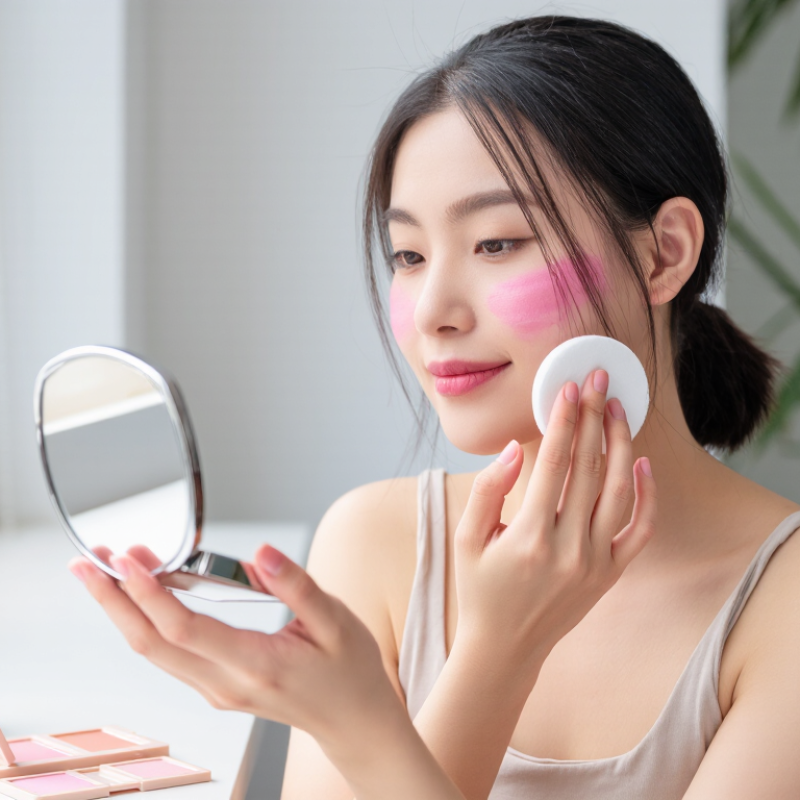
The market evidence supports the format, but texture alone does not explain everything. McKinsey’s 2023 beauty market report estimated global beauty could approach $580 billion by 2027. That expanding market rewards products that are easy to demonstrate online and simple to use at home. Bouncing blush photographs well under natural light. A fingertip, compact mirror, and two minutes can show the result clearly.
Still, the trend has weaknesses. Some formulas lift foundation when applied too aggressively. Others fade faster than users expect. My testing experience suggests that thin layers work better than one strong press. This is not a universal rule. Skin type, climate, and formula balance can change the outcome. Circana’s growth figure shows category momentum, not guaranteed product success. Consumers still judge the final color, wear time, and value in everyday routines.
Why Is Bouncing Blush On So Popular?
Press-and-tap application gives blush a softer, more controlled finish. Instead of dragging pigment across the skin, you place small amounts exactly where color is needed. A light press deposits product, while a quick tap blends the edges without erasing the center. This matters around the nose, where redness can make blush look uneven. It also helps prevent sudden color streaks on textured areas. In my own testing, bouncing a slightly damp sponge created a diffused effect on the cheeks. A small brush can offer similar control, especially with powder formulas. The tool matters, but pressure matters more.
The technique works because repeated light contact builds color gradually. That makes it easier to match both cheeks, even when your face is not perfectly symmetrical. Keep the first layer thin. Too much product can settle into dry patches and become difficult to soften. Clean tools are important, since trapped oils and residue may irritate the skin. I sometimes tap too long and remove more color than intended. That mistake reminds me that blending is not always better. Stop when the edges disappear, not when the entire cheek looks flat. For sensitive skin, test new formulas on a small area before regular use.
Bouncing blush appeals because its texture feels different from traditional powder. The soft, cushion-like surface releases color gradually with light tapping. This makes sheer layering easier, especially for beginners who fear harsh edges. On my own cheek, one tap looked subtle, while three taps created a clearer flush. The finish often appears fresh rather than heavily painted. Still, the texture can feel uneven when the skin is dry or textured. I initially expected it to suit everyone, but that assumption was too simple.
Portability also supports its popularity. A compact fits into a small makeup pouch and usually needs no brush. Users can refresh their cheeks during a commute, at work, or before dinner. The tapping motion is quick and less messy than swirling loose powder. However, compact formulas may pick up oil, sunscreen, or lint from fingers. Clean hands matter. A washable puff can also improve hygiene and application control.
Social media has made the application itself part of the appeal. Short videos show a satisfying bounce, visible color, and fast transformation. That visual feedback encourages viewers to copy the technique. Beauty educators often recommend starting near the cheek’s highest point, then blending outward. This advice is practical, but lighting can exaggerate softness and color. Online results may not match a bathroom mirror. The trend continues because it combines tactile pleasure, easy movement, and a camera-friendly finish, even when the real-life learning curve is less effortless.
It is a flexible formula between cream and powder. The surface yields under pressure, then springs back.
Flexible polymers can form a light, cushion-like network. This network absorbs finger pressure and releases it gradually.
Tap a small amount onto the cheek’s highest point. Soften the edges with a clean sponge.
Yes. One tap creates a sheer wash. Two or three layers create stronger color.
Not always. It may grip quickly on matte foundation and move over a dewy base.
It often looks fresh, smooth, and softly blurred. Some formulas add a gentle glow.
Press a damp sponge over the area. Removing product usually works better than adding powder.
Too much oil can cause slipping. Too much pressure can also create uneven edges.
No. The texture feels enjoyable, but it cannot prove lasting power or blendability.
Dry skin may need more emollience. Oily skin may notice movement or fading sooner.
Bouncing Blush On has become popular because it combines the comfort of a cream product with the color payoff and soft finish often associated with powder blush. Its distinctive putty-like texture is created with flexible elastomers that give the formula a springy feel while helping it spread smoothly and blend without harsh edges. This texture also makes the pigment easier to build gradually, allowing users to control the intensity with less risk of applying too much at once.
Application technique further adds to its appeal. Pressing and tapping the product onto the cheeks can improve precision, distribute color evenly, and preserve a natural-looking finish. Market interest also reflects the broader strength of prestige makeup, with Circana reporting 15% growth in the U.S. prestige makeup sector in 2023. Lightweight portability, playful texture, easy layering, and social beauty trends all contribute to consumer demand, making Bouncing Blush On appealing to both beginners and experienced makeup users.