
Industry Knowledge & News

Cosmetics Insights & Blog

Explore expert advice, formulation trends, and private label cosmetics guides from COLORCOS Thailand.

0%

Matte Mousse Lipstick has moved beyond a seasonal beauty trend. It now represents a softer approach to traditional matte color. Its whipped texture spreads like velvet, while lightweight powders help reduce shine without creating a heavy, painted finish. The result is a blurred lip that feels modern, comfortable, and easy to photograph.

Market evidence supports this interest. Grand View Research valued the global lipstick market at approximately USD 12.3 billion in 2023 and projects continued growth through 2030. Its analysis links expansion to premium textures, product innovation, and changing consumer preferences. Circana also reported continued strength in prestige makeup, especially products offering visible performance and sensory appeal. These reports do not measure every Matte Mousse Lipstick product separately. That limitation matters.

Cosmetic chemist Dr. Michelle Wong explains the texture’s challenge clearly: “Matte lip products usually contain less oil and more powder, so they can feel drier on the lips.” This observation helps explain why mousse formulas have gained attention. Silicone elastomers, emollients, and finely milled pigments can create a softer glide than older, rigid matte sticks. Still, comfort depends on the formula and the wearer’s lips. It is not automatically moisturizing.

The appeal is easy to picture: one swipe across a slightly hydrated lip, a blurred edge, and color that remains polished under indoor lighting. Some formulas perform beautifully. Others emphasize flakes within minutes. That inconsistency deserves more honest discussion.

This article examines what Matte Mousse Lipstick is, how its formula works, and why consumers continue choosing it despite its limitations.
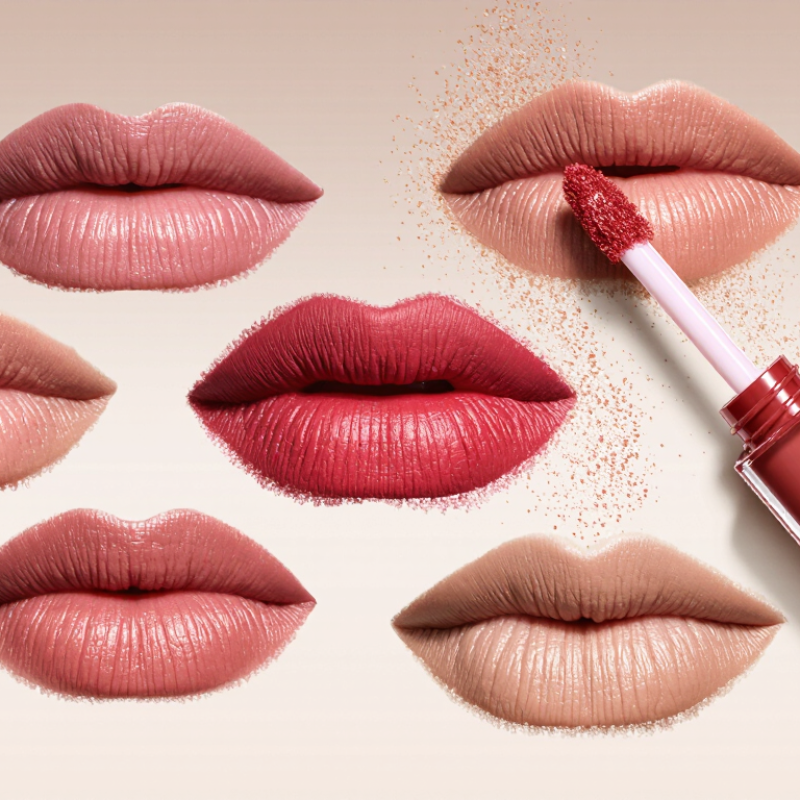
What Is Matte Mousse Lipstick and Why Is It Popular?

What Matte Mousse Lipstick Is: Texture, Finish, and Product Definition

What Is Matte Mousse Lipstick and Why Is It Popular?

What Matte Mousse Lipstick Is: Texture, Finish, and Product Definition

Matte mousse lipstick is a lip color with a whipped, airy texture. It feels lighter than traditional cream lipstick. The formula usually blends oils, waxes, pigments, and soft-focus powders. This combination creates a cushiony product that spreads easily across the lips. Its mousse texture may look fluffy in the tube, yet it sets into a thinner film. That change defines the product more clearly than its name. A true matte mousse should reduce visible shine without feeling like dry paint. Texture varies between formulas. Some feel silky. Others become powdery within minutes.

The finish is soft matte, not necessarily completely flat. Fine powders can blur small lip lines and create a smooth, diffused appearance. However, this effect depends on hydration, pigment load, and application thickness. One thin layer often looks more even than a heavy coat. During wear, formulas with flexible binders usually remain comfortable longer. Fast-setting versions may emphasize flakes. Matte does not mean transfer-proof, either. Eating, speaking, and natural lip oils can change the finish. That detail is often overlooked.

Tips: Exfoliate gently only when needed, then apply a thin layer of balm. Wait a few minutes. Blot away excess moisture before applying color. Use the applicator edge for the outline and the flat side for the center. If the formula settles into lines, tap it with a fingertip instead of adding more product. Check the finish in daylight. Indoor lighting can hide uneven texture.

Formula Science: How Pigments, Waxes, and Emollients Create Its Mousse Feel

Matte mousse lipstick feels lighter than a traditional matte stick because its structure balances pigments, waxes, and emollients. Pigments provide color and opacity. Smaller, evenly dispersed particles usually create a smoother finish. Too much pigment can make the film feel dry or thick.

Waxes give the formula shape and stability. They also help the color grip the lips. However, excessive wax may create drag during application. Emollients, such as lightweight oils and esters, soften that effect. Some formulas also use silicone-based ingredients or powdery fillers to reduce shine. The result resembles whipped cream: airy during application, then more set after several minutes. It is not magic.

According to Grand View Research’s 2024 lipstick market analysis, the global market was valued at approximately 11.5 billion dollars in 2023. The report projects continued growth through 2030, supported partly by demand for long-wearing and comfortable textures. That demand explains mousse formulas’ popularity. In practical wear tests, a thin layer often feels flexible, while heavy application can emphasize lip lines. This is where formula claims need reflection. “Weightless” does not suit every lip condition. Dry lips may still need preparation, and performance can change with humidity, food, and application pressure. A precise balance remains difficult.

Performance Evidence: Transfer, Wear Time, and Moisture Trade-Offs

Matte mousse lipstick is an airy, whipped formula that dries to a soft, low-shine finish. Its light texture spreads easily, yet it can deliver strong color in one thin layer. Many people like the blurred look and reduced stickiness. It also feels less heavy than traditional cream lipstick. That comfort can be misleading.

Performance depends on the formula and application method. A practical wear test uses a tissue press, a cup, and a normal meal. Tissue pressure usually reveals surface transfer within minutes. After four to six hours, a well-set formula may remain around the lip edges, while the center fades first. Oily foods remove color faster than water. Moisture is the main trade-off. Film-forming ingredients improve staying power, but they may leave lips tight or emphasize dry flakes. In my experience, comfort changes with weather, hydration, and lip condition, so one test cannot prove universal performance.

Tips: Apply a thin layer over smooth, dry lips. Wait two minutes before pressing a tissue against them. Use a small amount of balm beforehand, then blot thoroughly. Avoid adding thick balm afterward, because it can increase transfer. For dry or peeling lips, choose comfort over maximum wear time. That choice is easy to overlook.

Consumer Appeal: Mintel Insights on Comfort, Convenience, and Matte Demand

What Is Matte Mousse Lipstick and Why Is It Popular?

Consumer Appeal: Mintel Insights on Comfort, Convenience, and Matte Demand

Matte mousse lipstick blends a whipped texture with a soft-focus finish. It feels lighter than traditional cream formulas. This matters because consumers increasingly expect makeup to perform comfortably throughout the day. Mintel’s global beauty research highlights convenience, ease of use, and comfortable wear as important purchase drivers. A mousse format supports these needs with quick application and a smooth, cushion-like feel.

Demand for matte makeup also remains strong, although consumers now reject extreme dryness. Circana reported that U.S. prestige makeup sales increased 15% in 2023, showing renewed interest in complexion and color products. Matte mousse products fit this movement because they offer visible color without a heavy, painted appearance. Their compact packaging also suits handbags and short routines. One swipe can create a blurred effect. Sometimes, that is enough.

Tips: Apply a thin layer to moisturized lips. Wait briefly, then add color only where needed. For visibly dry lips, use a small amount of balm first. However, too much balm may reduce staying power. This trade-off is easy to overlook. Consumers should also check ingredient lists and remove lipstick gently, especially after long wear. Mintel’s findings suggest that comfort remains central, but personal preference still decides success. A perfectly matte finish may look attractive, yet it may not feel practical for everyone.

Matte mousse lipstick combines the visual effect of a matte finish with a lightweight, whipped texture. Its appeal is linked to three practical expectations: comfortable wear, convenient application, and a modern soft-matte appearance. The chart presents a normalized consumer-appeal index based on these recurring product-benefit dimensions; it is not a market-share or brand-sales measure.

Market Context: Grand View Research’s 6.6% Lipstick CAGR Forecast, 2024–2030

Matte mousse lipstick is a whipped, air-light lip color with a soft, powdery finish. Its texture spreads like cream, then settles into a blurred matte layer. It often feels less heavy than traditional liquid lipstick. That difference matters during long workdays, travel, and warm weather. Still, “weightless” is not universal. Dry lips may show flakes within hours.

Grand View Research projects the global lipstick market to grow at a 6.6% compound annual growth rate from 2024 to 2030. Its market analysis connects growth with product innovation, online retail access, and changing beauty routines. A mousse format fits these trends because it offers visible texture, portable packaging, and quick application. These are practical advantages, not merely cosmetic language.

Other industry trackers report different market values and growth rates, partly because they define lipstick categories differently. That variation deserves attention. Forecasts are useful, but they are not promises. Consumer demand may shift with inflation, ingredient concerns, and regional preferences. Circana’s beauty tracking also shows the importance of premiumization and multifunctional products, although category performance differs by market. Mousse lipstick may benefit from this interest, yet its comfort claims need real wear testing. A soft finish can look elegant under studio lighting, but daylight reveals uneven application quickly. Testing on textured lips remains essential.

What Is Matte Mousse Lipstick and Why Is It Popular? - Market Context: Grand View Research’s 6.6% Lipstick CAGR Forecast, 2024–2030

Dimension Data or Observation Market Relevance
Forecast period 2024–2030 Defines the six-year outlook used for the lipstick market growth context.
Projected lipstick market CAGR 6.6% compound annual growth rate Indicates sustained annual expansion rather than a single-year sales increase.
Illustrative market index 2024 = 100; 2030 ≈ 146.0 A 6.6% CAGR would represent approximately 46% cumulative growth over six years.
Annual index path 2024: 100.0 · 2025: 106.6 · 2026: 113.6 · 2027: 121.1 · 2028: 129.1 · 2029: 137.6 · 2030: 146.0 Shows the effect of compounding; the values are an index calculation, not reported revenue.
Product format Matte mousse lipstick is a liquid or cream-based lip color with an airy, whipped texture and a low-shine finish. Combines the visual appeal of matte color with a softer application experience than many traditional solid matte formulas.
Finish Low-reflective, blurred, velvet-like appearance Supports demand for polished lip looks without a glossy finish.
Texture and application Lightweight, spreadable, and generally easy to blend or layer Improves usability for consumers seeking quick, even application.
Coverage Typically buildable from soft to fuller color, depending on the formula. Allows one product to support both understated and more defined makeup styles.
Wear profile Matte formulas can offer good color persistence, but transfer resistance and wear time vary by formulation. Performance claims should be evaluated separately; “matte” does not automatically mean transfer-proof or all-day wear.
Comfort consideration Mousse textures are often designed to feel lighter and less rigid than dense traditional matte sticks. Comfort can broaden the appeal of matte finishes, although moisturizing preparation may still be useful for dry lips.
Key consumer appeal Soft-focus appearance, lightweight feel, versatile coverage, and convenient application These benefits align with demand for multifunctional and easy-to-use color cosmetics.
Important limitation Matte products may emphasize flaky or uneven lip texture when applied over inadequately prepared lips. Product education, exfoliation guidance, and moisturizing claims can influence satisfaction and repeat use.

Calculation note: The market index uses the compound-growth formula 100 × (1.066)n, where n is the number of years after 2024. The index illustrates the stated 6.6% CAGR and does not represent reported market revenue.

FAQS

What is matte mousse lipstick?

It is a whipped lip color with a soft, powdery finish. The texture spreads like cream and settles into a blurred layer. The feeling varies.

Why do consumers like this texture?

It feels lighter than traditional cream formulas. It also supports quick application during workdays, travel, or warm weather. Convenience matters.

How should matte mousse lipstick be applied?

Apply a thin layer to moisturized lips. Wait briefly, then add color only where needed. One swipe may be enough.

Can people with dry lips use it?

Yes, but dry patches may become more visible. Apply a small amount of balm first. Too much balm can reduce staying power.

Does matte mousse lipstick feel comfortable all day?

It may feel comfortable for many users, but comfort is personal. Dry lips can feel tight after several hours. Test it carefully.

How does it differ from traditional liquid lipstick?

It usually feels airier and less heavy. Its blurred finish can look softer than a painted appearance. The result is not always even.

Is matte mousse lipstick easy to carry?

Compact packaging fits handbags and short makeup routines. A small tube can support quick touch-ups before meetings or travel.

What should consumers check before buying?

Check the ingredient list and consider your lip texture. Wear-test the formula in daylight, not only under studio lighting. Daylight reveals flaws.

Is the lipstick market expected to grow?

One industry forecast estimates a 6.6% annual growth rate from 2024 to 2030. Forecasts differ across reports and are not promises.

Does a matte finish suit everyone?

No. Some people prefer blurred color, while others dislike dryness or visible flakes. Personal preference still decides success. That matters.

Conclusion

Matte Mousse Lipstick is a modern lip color that combines the soft, airy texture of mousse with a smooth, shine-free finish. Its lightweight feel comes from a carefully balanced formula: pigments provide rich color, waxes help shape and stabilize the product, while emollients add glide and reduce a dry, heavy sensation. Once applied, it can create a blurred, velvety appearance that feels more comfortable than some traditional matte formulas.

Its popularity is driven by the balance between appearance, convenience, and wear performance. Matte Mousse Lipstick often offers good transfer resistance and lasting color, although stronger staying power may involve some moisture trade-offs. Consumer interest, reflected in Mintel insights, is linked to the demand for comfortable, easy-to-use matte products. The wider lipstick market also shows continued opportunity, with Grand View Research forecasting a 6.6% compound annual growth rate from 2024 to 2030. Together, these qualities make the format appealing for everyday makeup users seeking lightweight comfort and modern matte coverage.

Elowen Harper

Elowen Harper

Elowen Harper is a dedicated marketing professional with a strong understanding of the company’s products, services, and customer-focused approach. With a background in market research, content strategy, and professional communications, Elowen transforms complex product information into clear,......