
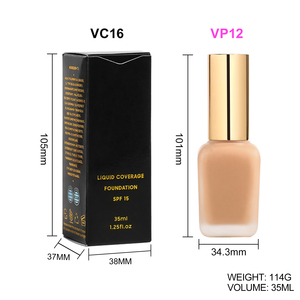
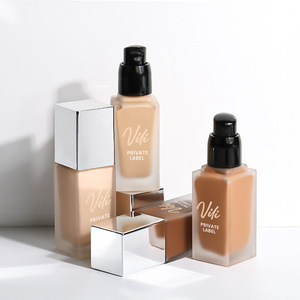
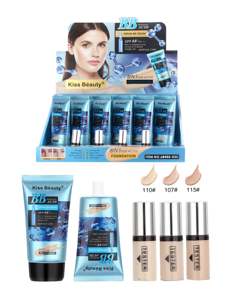
Select from our laboratory-tested, ultra-pigmented liquid and mousse foundation/blush base formulations optimized for private label customization and international export to Kenya.
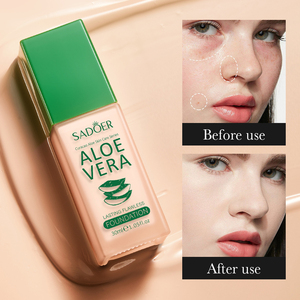
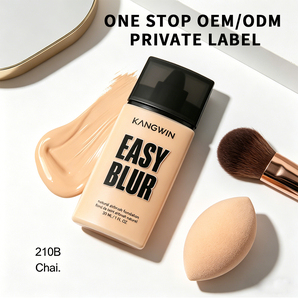
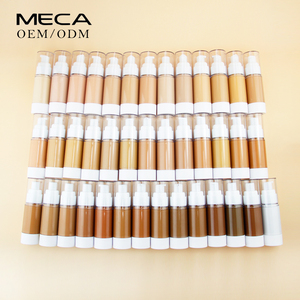
The cosmetic market across Sub-Saharan Africa, with Kenya standing as its commercial and operational nexus, is undergoing a profound structural evolution. Driven by rapid urbanization in cities like Nairobi and Mombasa, an expanding middle class, and an increased demand for inclusive, high-performance beauty cosmetics, brand owners require manufacturing partners capable of delivering specialized cosmetic chemistry. Standard global blush formulations—often calibrated for low-melanin skin tones or temperate, low-humidity environments—consistently fail to deliver optimal pay-off, longevity, and skin compatibility in the East African market.
As a vertically integrated OEM/ODM cosmetic contract manufacturer with over 26 years of specialized formulation science, our facility bridges the gap between sophisticated cosmetic technology and localized consumer demand. This technical document details the engineering principles, regulatory frameworks (including KEBS PVoC compliance), climate-stability testing protocols, and pigment-binding technologies required to build market-dominating blush lines serving Kenya and the wider East African Community (EAC).
Formulating cosmetics for Kenya requires a rigorous understanding of the country's dual micro-climates and diverse population demographics. A single formulation framework rarely satisfies the environmental stress factors across different geographic hubs in East Africa.
In coastal zones, ambient temperatures frequently exceed 32°C with humidity levels over 80%. Standard blush oils liquefy, leading to pigment migration and streakiness. Our localized solution utilizes cross-linked silicone elastomers and hydrophobic treated pigments that resist sweat and high sebum production while retaining vibrant shade intensity for up to 16 hours.
Nairobi sits at an elevation of 1,795 meters, exposing skin to elevated UV radiation and moderate humidity. Products formulated for this market require dual-action functionality: sebum management combined with non-comedogenic hydration. We incorporate light botanical emollients and micro-encapsulated hyaluronic acid to ensure smooth blending without emphasizing dry patches caused by high-altitude winds.
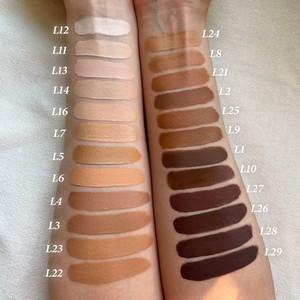
Kenyan complexions demand high-chroma shades—deep berry, fiery terracotta, rich plum, and vibrant coral. Lower pigment loads appear muted or ash-like. We utilize surface-treated Iron Oxides and D&C Lakes processed through high-shear jet milling to guarantee true-to-pan color translation on rich skin tones.
To assist brand managers, product developers, and importers in selecting the ideal product architecture for the Kenyan beauty retail landscape, our R&D lab has compiled a comparative technical performance evaluation across key stability and consumer metrics.
| Formulation Vector | Liquid Blush Systems | Bouncing Mousse Blush | Pressed Powder Blush | Cream-to-Powder Formulations |
|---|---|---|---|---|
| Primary Lipid Base | Isododecane / Cyclopentasiloxane | Dimethicone Crosspolymer | Zinc Stearate & Mica Binder | Caprylic/Capric Triglyceride |
| Pigment Dispersion Load | 12% – 18% Micro-pigments | 15% – 22% Coated Lakes | 20% – 30% Micronized Mica | 16% – 24% Jet-Milled Oxides |
| Tropical Sweat Resistance | Exceptional (Film-Forming Polymer) | High (Waterproof Elastomer) | Moderate (Requires Setting Spray) | Very High (Wax Matrix) |
| Finish on Dark Undertones | Dewy / Radiance Tint | Velvet Soft Focus | Matte / Satin Flush | Natural Luminous Matte |
| Shelf-Life at 45°C Stress | 36 Months Certified | 36 Months Certified | 48 Months Certified | 36 Months Certified |
Understanding user search intent and consumer purchasing behavior in Kenya is critical for developing a commercially successful cosmetic line. Our market research team highlights four macro trends defining the current landscape:
Kenyan consumers increasingly favor multi-functional products. Liquid and cream blushes engineered to double as lip tints and eyelid washes are seeing rapid adoption among young, urban professionals seeking value and convenience.
There is a growing preference for cruelty-free, vegan, and clean-label cosmetics across Nairobi's retail sector. Formulations free from parabens, mineral oils, and phthalates build immediate brand credibility and consumer trust.
With a significant Muslim population across East Africa (particularly coastal regions like Mombasa and Lamu), Halal-certified cosmetic manufacturing ensures absolute compliance with ethical ingredient sourcing and clean production processes.
As a leading global OEM/ODM cosmetics manufacturer with over 26 years of operational history, our state-of-the-art production facility delivers comprehensive contract manufacturing solutions tailored to international beauty brands, regional distributors, and e-commerce entrepreneurs entering the Kenyan market.
Our manufacturing lines operate under ISO 22716 (Cosmetics GMP) and GMPC standards. Positive-pressure air filtration and automated filling systems guarantee contamination-free production for every single batch.
Our in-house R&D cosmetic chemists utilize advanced spectrophotometric analysis to match precise target shades, ensuring total color consistency across high-volume production batches.
We accommodate emerging brand launches with flexible Minimum Order Quantities (MOQs) while offering complete primary and secondary packaging sourcing—from luxury glass droppers to eco-friendly PCR compacts.
Exporting cosmetics into Kenya requires strict adherence to national quality standards regulated by the Kenya Bureau of Standards (KEBS). Navigating customs clearings without pre-export compliance leads to severe logistical delays and heavy port fees.
We work closely with global inspection agents (such as SGS, Intertek, and Bureau Veritas) to inspect products at our factory prior to shipping. Whether shipping via ocean freight to the Port of Mombasa (Kilindini Harbor) or via air freight to Jomo Kenyatta International Airport (JKIA) in Nairobi, our logistics team manages all export paperwork, palette shrink-wrapping, and heavy-duty outer carton packing for tropical transit.
Below are detailed answers to common inquiries from beauty brand founders, importers, and retail chains looking to contract manufacture custom blush lines serving East Africa.
Our flexible MOQ starting threshold for private label blush formulations ranges from 3,000 to 5,000 units per shade, depending on packaging complexity and formula type (liquid, mousse, or pressed powder). Pilot run batches can be discussed for brand startups.
Yes. Our R&D lab specializes in high-tint chromophore formulation. We utilize micro-milled, coated iron oxides and D&C pigments that yield intense payoff on deep melanin complexions without leaving a chalky or gray residue.
We incorporate volatile silicone carriers, oil-absorbing silica matrices, and sweat-resistant film-forming polymers. Every formula is subjected to 45°C thermal stability tests to prevent melting or phase separation in warm climates.
We supply a complete export documentation bundle including Safety Data Sheets (SDS), Certificates of Analysis (COA), Microbiological Test Reports, Stability Reports, and full support for KEBS PVoC (Pre-Export Verification of Conformity) inspections.
Absolutely. Our factory maintains Halal manufacturing certification. All raw materials used in our blush bases are 100% cruelty-free, ethically sourced, and free from animal-derived byproducts.
Standard R&D sample formulation takes 7–14 days. Once shade matching and packaging artwork are approved, mass production takes approximately 30–35 days. Sea shipping to Mombasa Port takes an additional 20–28 days depending on the shipping line.
Partner with an industry-leading OEM/ODM cosmetic factory. Partner with expert cosmetic chemists, certified cleanroom manufacturing, and full KEBS export compliance support.
Send an Inquiry